Production RAG - Part 7: Grounded Generation
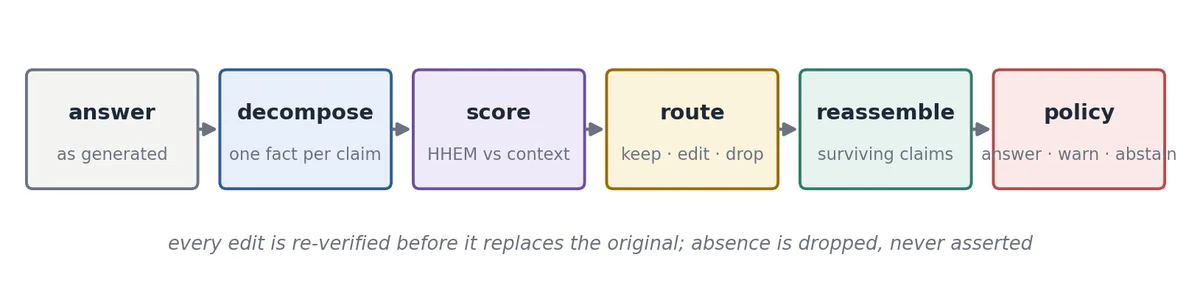
Retrieval can succeed completely and the answer can still be wrong. The model receives five relevant chunks and asserts a sixth thing that none of them support — a pla...
Page 2 of 11
Retrieval can succeed completely and the answer can still be wrong. The model receives five relevant chunks and asserts a sixth thing that none of them support — a pla...
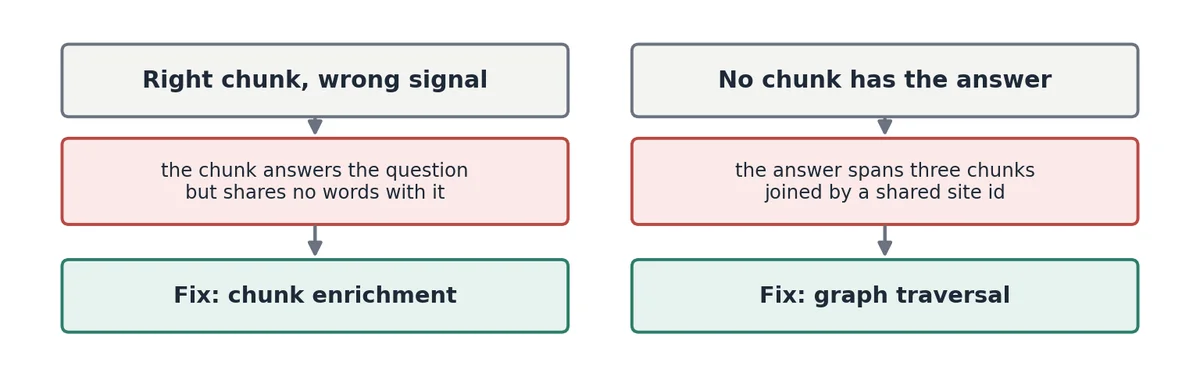
At some point in every RAG project, a category of question stops working and no amount of tuning fixes it. Better chunking does not help. A stronger reranker does not ...
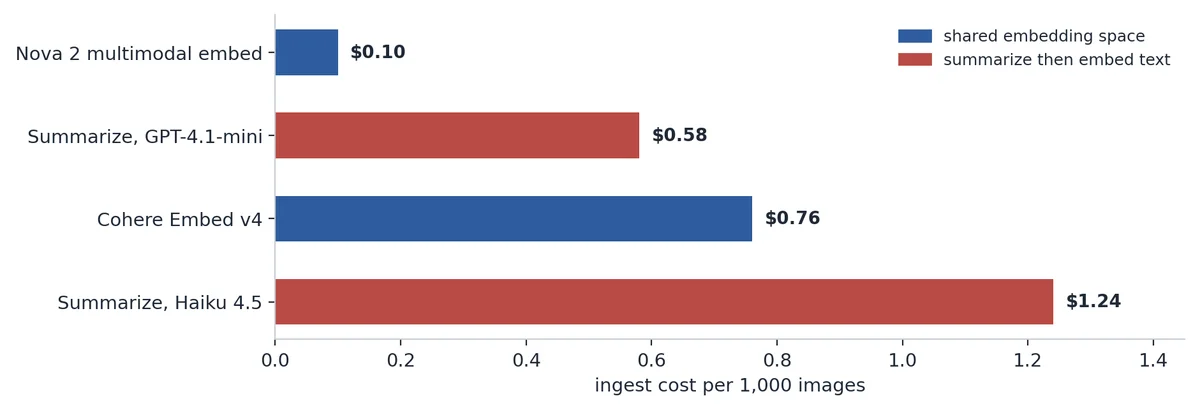
Text retrieval works because both sides of the comparison are text living in one embedding space. An image breaks that symmetry, and the way you restore it is one of t...
Ask a RAG system “how do I shut down an instance” and keyword search returns nothing useful, because the documentation says “halt” and “stop”. Ask it about CEAMVCSRE31...
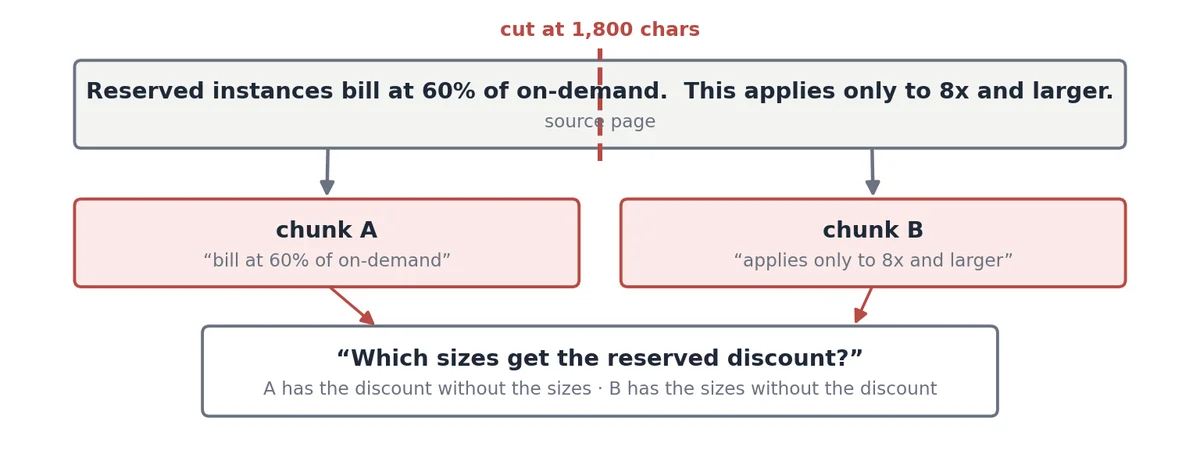
A chunk is the smallest thing retrieval can return. You never get half a chunk, and never a chunk plus a bit of its neighbour. Whatever boundaries you draw at ingestio...
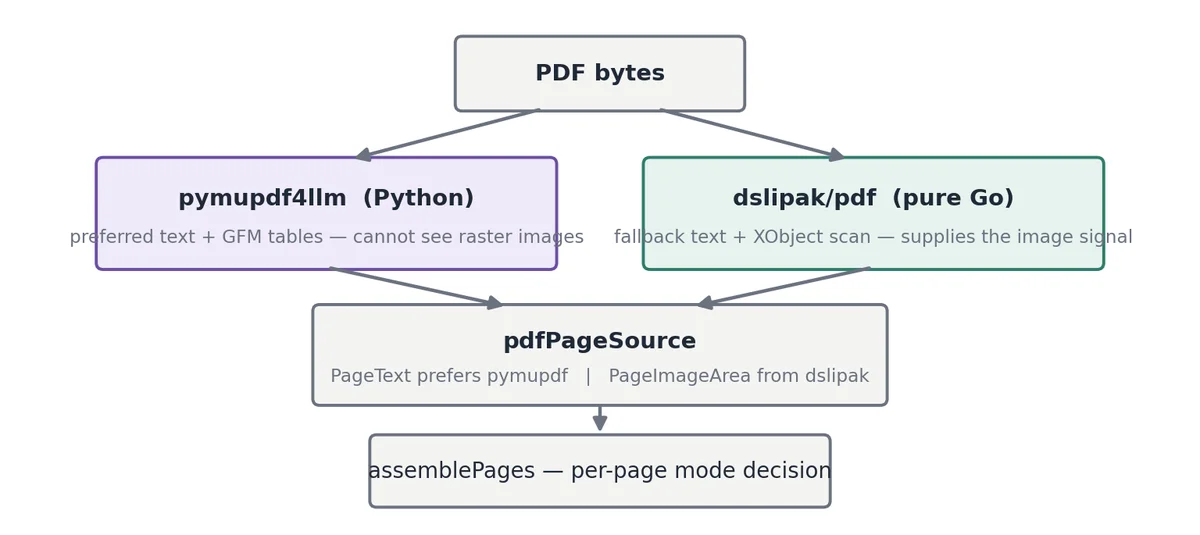
A PDF is not a document in any structured sense. Rooted in PostScript, it is a list of drawing instructions: place this glyph at these coordinates, fill this rectangle...
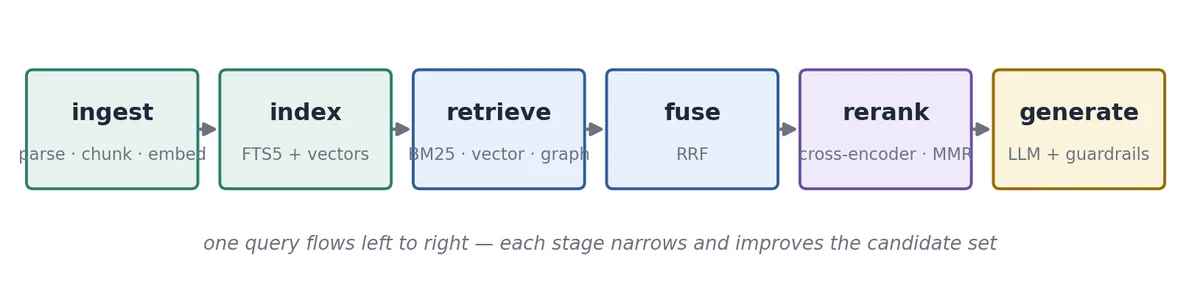
Retrieval-augmented generation looks deceptively simple. Split the documents, embed the pieces, search for the closest ones, paste them into a prompt. A working protot...
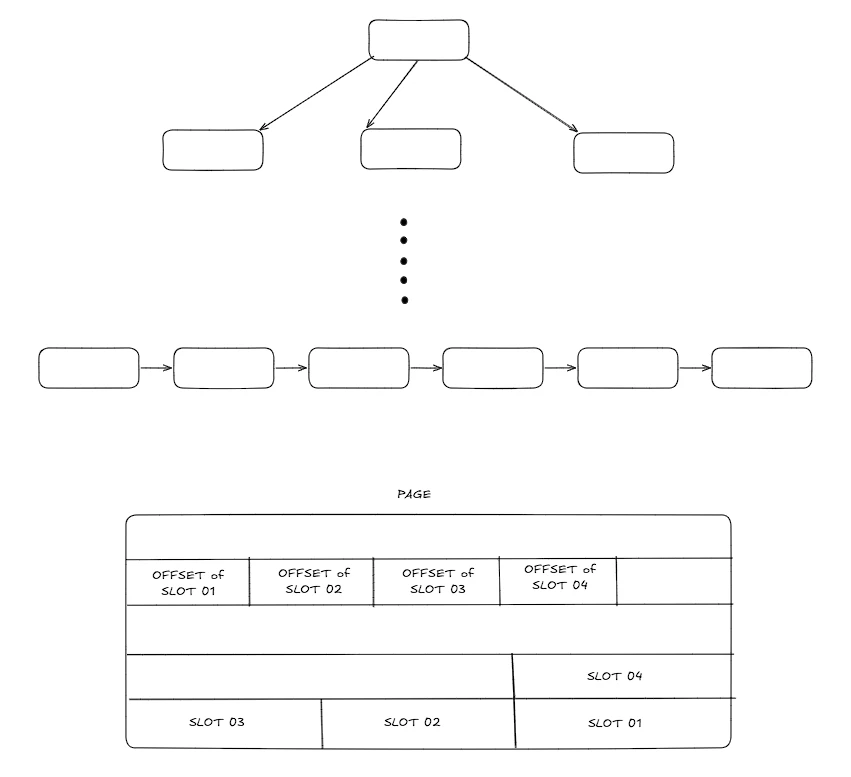
This document discusses a few high-level concepts of PostgreSQL’s internals. Even though these are not needed in day-to-day activities, knowing them would certainl...
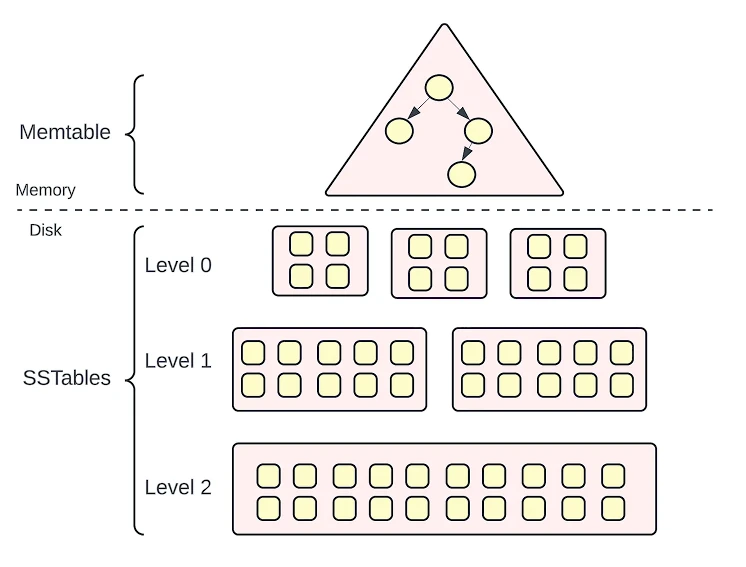
The Log-Structured Merge Tree, also known as an LSM tree, is one of the most popular storage engines, focusing on performant write operations. The benefit over the B+ ...
The Byzantine consensus problem is an interesting problem in distributed systems, even though it dates back to medieval times. The idea originates in medieval battle s...