PostgreSQL - Why Isolation Levels Behave the Way They Do
When two transactions work on the same data at the same time, PostgreSQL has to answer two questions: what is each transaction allowed to see, and what happens when bo...
Page 1 of 11
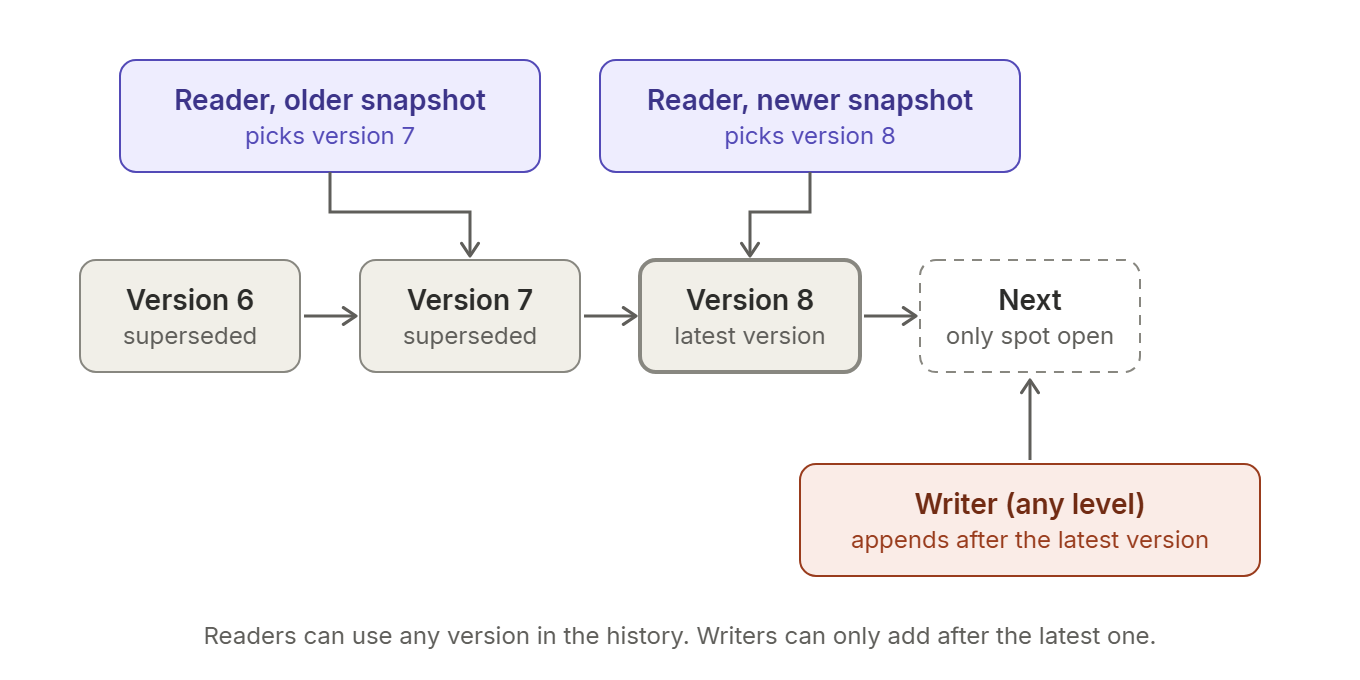
When two transactions work on the same data at the same time, PostgreSQL has to answer two questions: what is each transaction allowed to see, and what happens when bo...
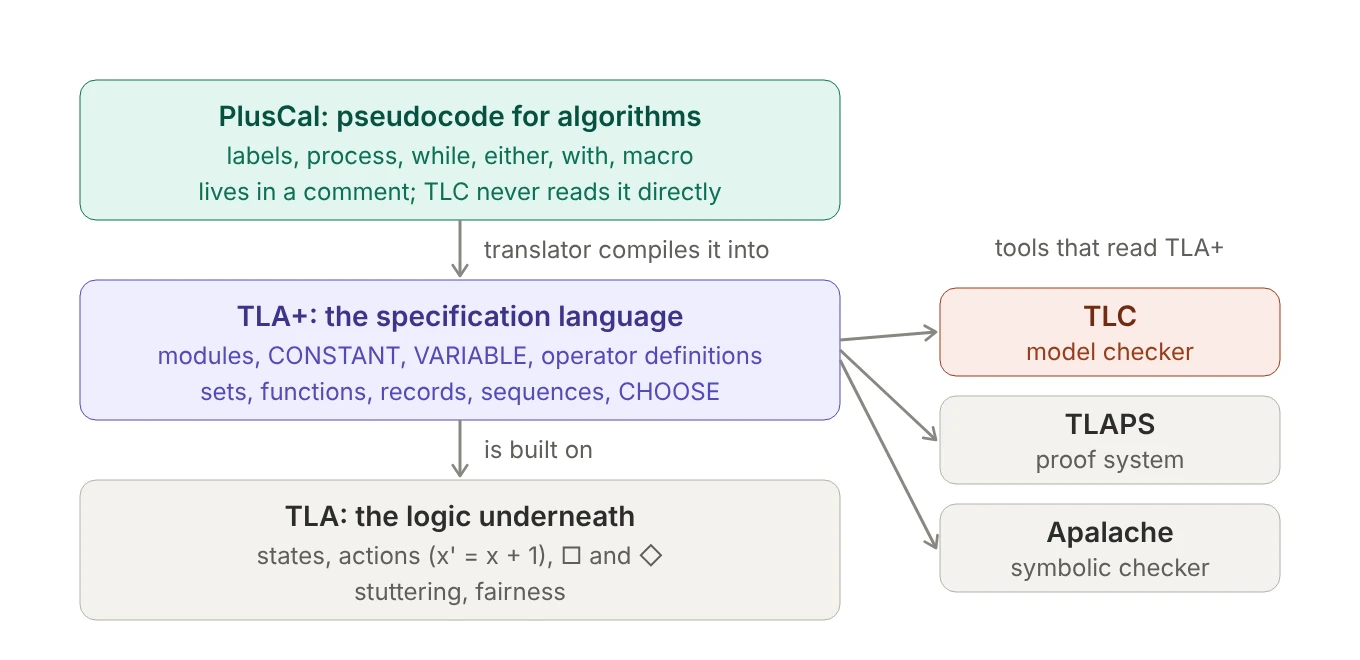
Many programmers learn TLA+ through PlusCal, with a model checker that keeps telling them they’re wrong. The syntax is never the hard part. What takes time is the mean...
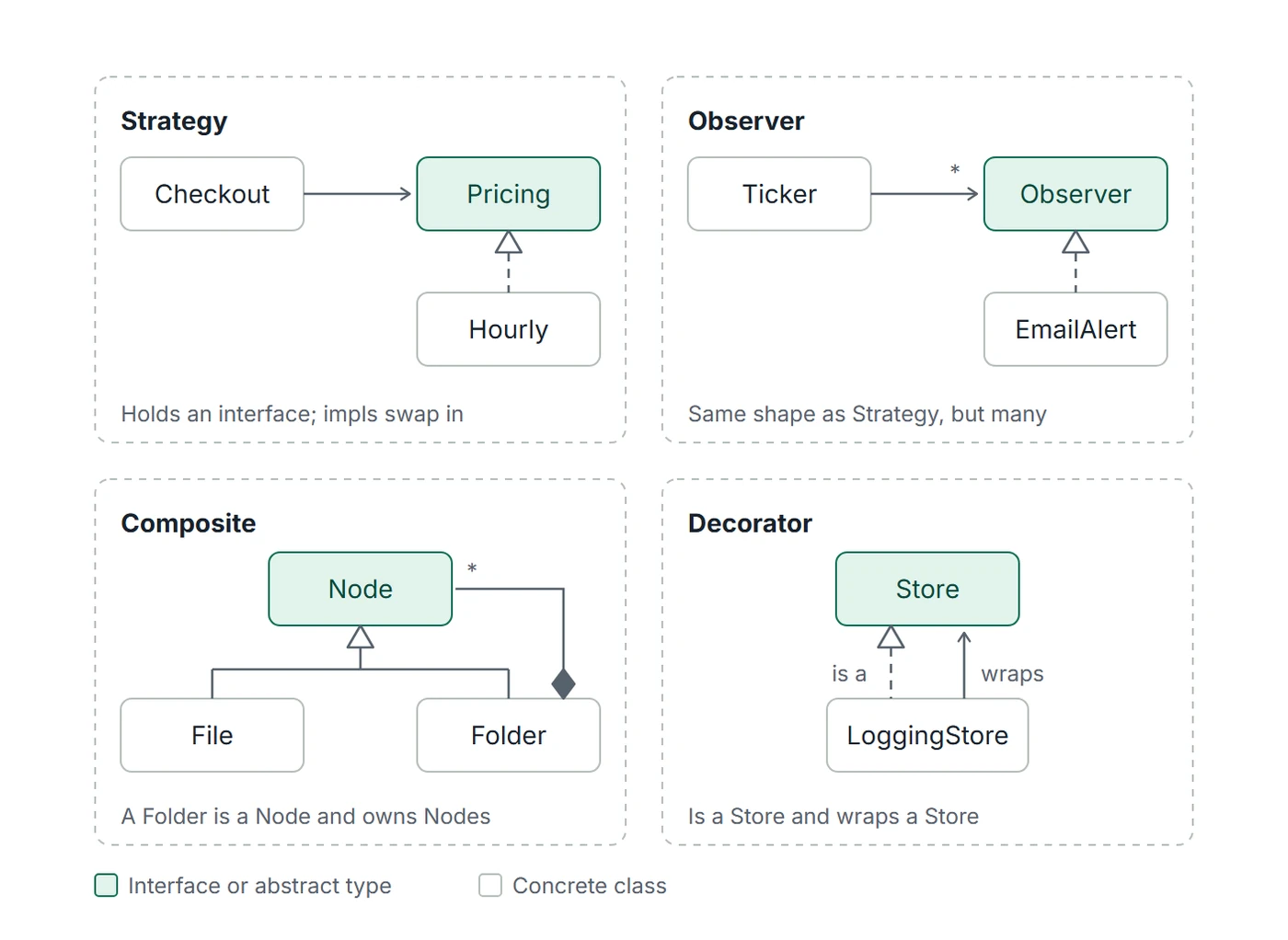
Low-level design rests on two skills: telling how two classes are related, and recognizing design patterns, which are those same relationships arranged on purpose to s...
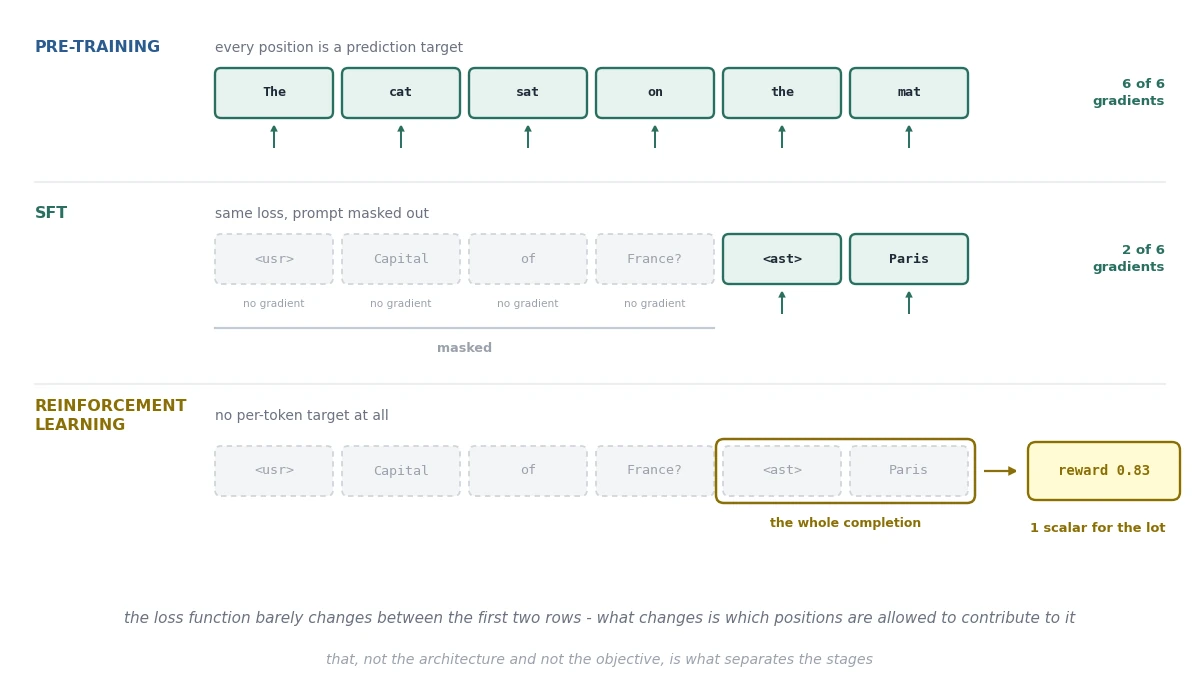
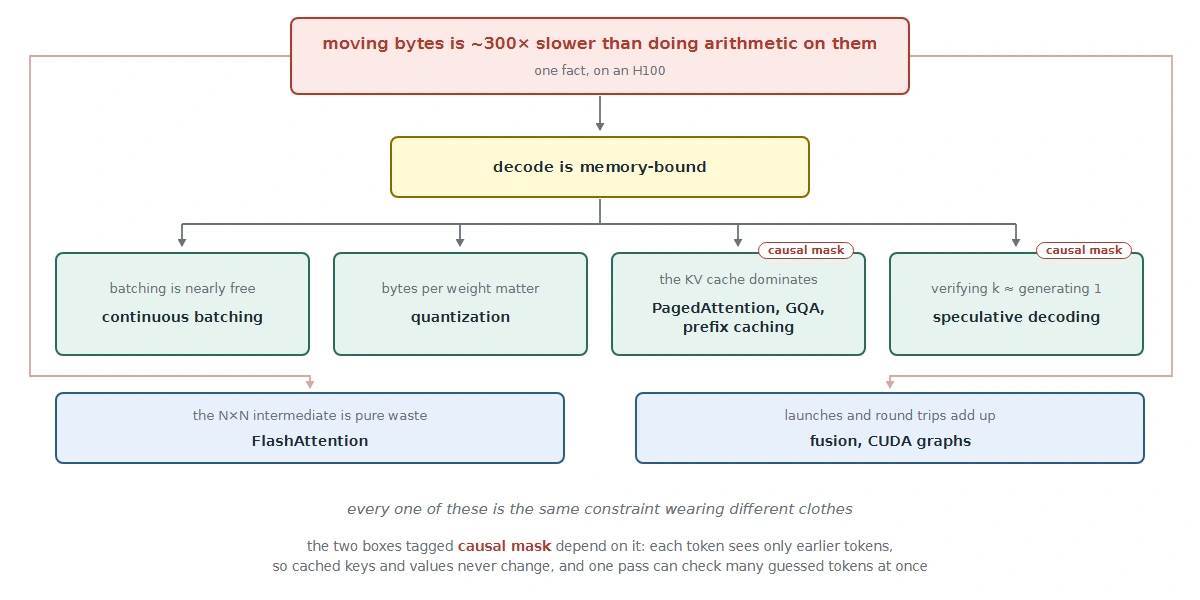
Every earlier part of this series assumed autoregressive generation: the model writes one token at a time, left to right, and each token depends on all the ones before...
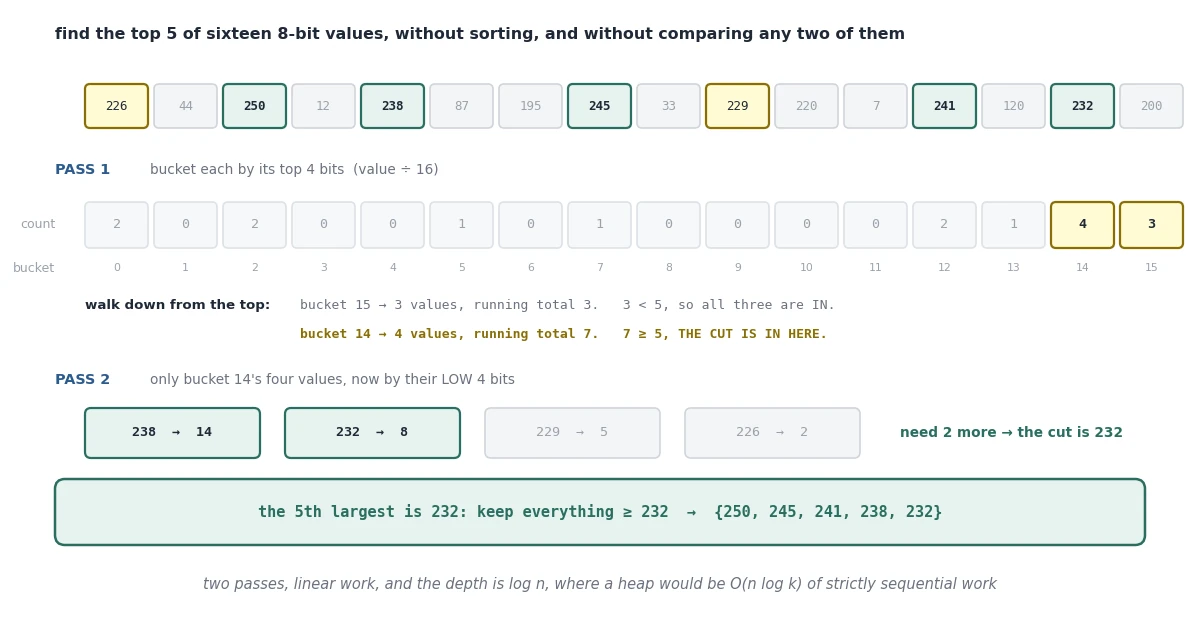
Three parameters sit between a trained model and its output: temperature, top_k and top_p. They are widely used and rarely defined precisely. All three act at the same...
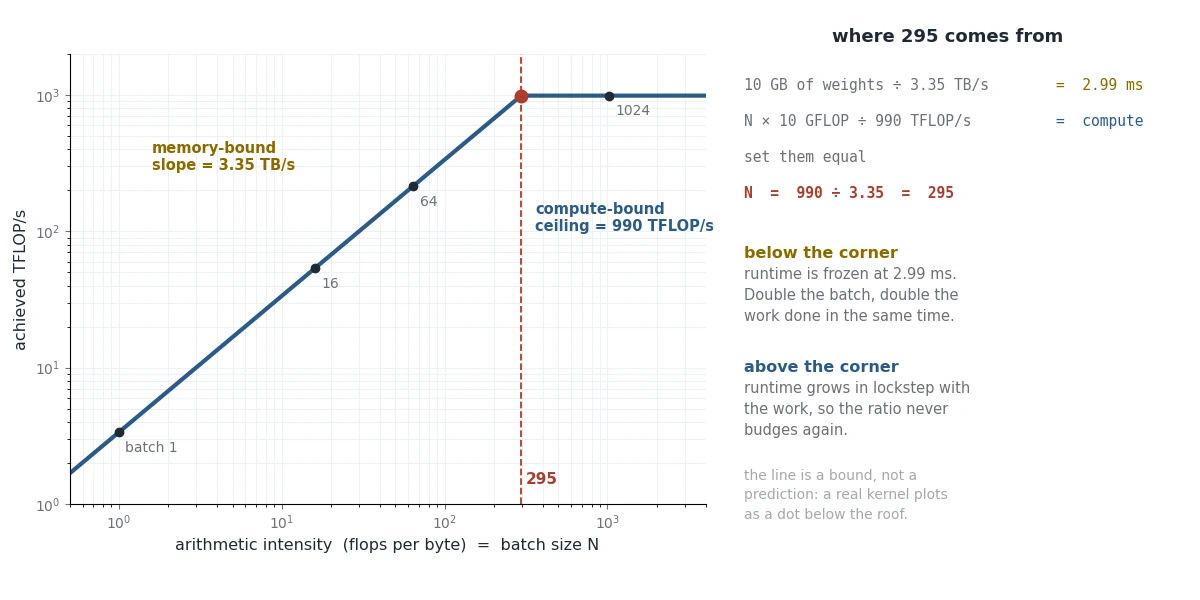
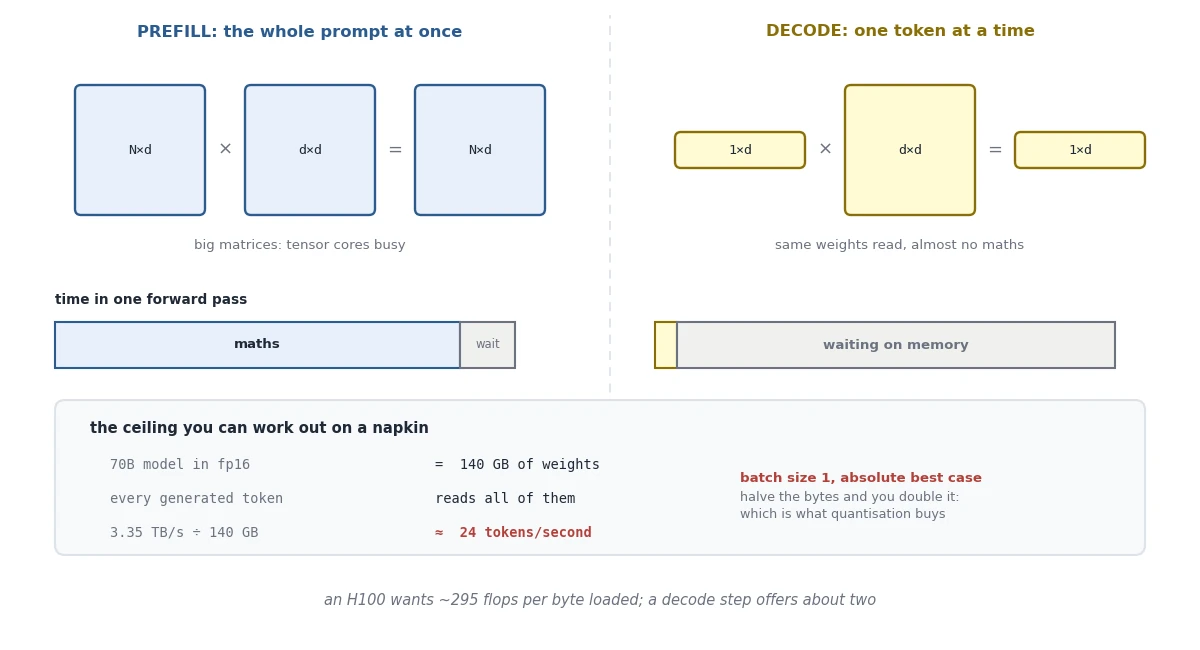
The idea here is simple, but memory bandwidth comes up so often in inference engineering that it deserves a post of its own. It rests on the split Part 2 drew between ...
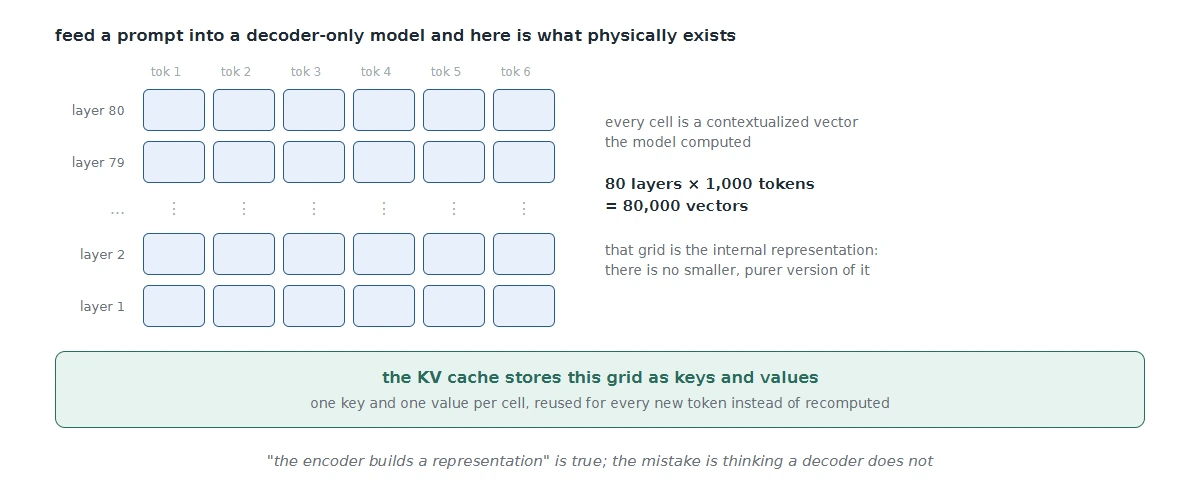
Many times, you would come across the claim that “the encoder builds an internal representation of the input.” However, most modern LLMs are decoder-only. So do they j...
Part 1 ended with a few hundred gigabytes of weights and an architecture description. This post is about what happens to them next, and it is where the series title st...
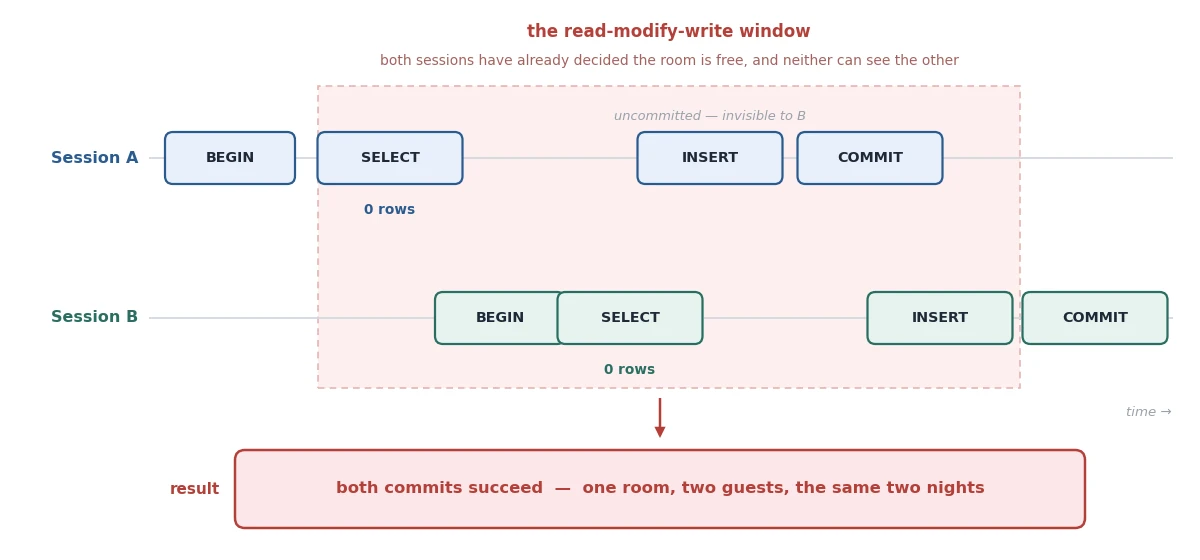
Every hotel reservation system starts with the same line of code: SELECT 1 FROM reservation WHERE room_id = $1 AND check_out > $2 AND check_in < $3; -- no rows?...
I kept running into large language model (LLM) systems and finding that I could use them without understanding them. That is an uncomfortable place to be: you end up a...